A Practical Guide to Allergen-Reduced Sleep Environments with Sleep and Beyond
A Time magazine–style examination of how deliberate choices in bedding and room practices can reduce allergens, improve sleep quality, and elevate daily life.
Published 2026-09-30 • The Clean Bedroom Stores
Introduction: Why Sleep Hygiene Demands a Cleaner Bedroom
Sleep is not merely the absence of wakefulness; it is a daily act of restoration that begins long before we close our eyes. In modern homes, the bedroom can become a reservoir for dust mites, pollen, pet dander, and volatile organic compounds picked up from everyday materials. The result is a sleep environment that, even when quiet, may be quietly undermining our health and well-being.
The aim of allergen-reduced sleep spaces is not to chase an impossible ideal of pristine sterility, but to cultivate a consistently clean, breathable sanctuary. The Sleep and Beyond line—founded on organic fibers, breathable weaves, and clearly stated care instructions—offers anchors for this mission. By combining hypoallergenic fabrics, washable protections, and routine, science-backed cleaning practices, we can build a bedroom that supports better sleep and aligns with a sustainable, health-conscious lifestyle.
Core Principles: Materials, Protections, and Routines
- Breathable, organic fabrics. Materials like GOTS-certified cotton and organic cotton percale or sateen provide a natural barrier against skin sensitivity triggers while allowing air to move through the bedding. This balance helps regulate temperature and reduce moisture buildup, which can fuel dust mites and mold.
- Washable protectors and encasements. A washable mattress protector and pillow encasements are essential layers. They trap allergens and are easier to clean than the mattress itself, preserving hygiene without sacrificing comfort.
- Routine cleaning that sticks. A simple, repeatable schedule—daily brief refresh, weekly deep clean, and monthly refresh—builds habit and reduces allergen buildup over time.
Sleep and Beyond: The Anchor Brand for Allergen Reduction
Sleep and Beyond has built a portfolio around organic, non-toxic sleep solutions. The standouts for allergen reduction include organic cotton percale and organic cotton sateen sheet sets, duvet covers, and protective layers that are designed to withstand frequent washing. The durable construction, GOTS certification, and minimal processing align with a philosophy of healthier sleep environments and transparent care instructions.
A practical starting point is a layered approach:
- Start with a Sleep and Beyond Organic Cotton Percale Sheet Set or Organic Cotton Sateen Sheet Set for a crisp, breathable surface that remains comfortable in varying seasons.
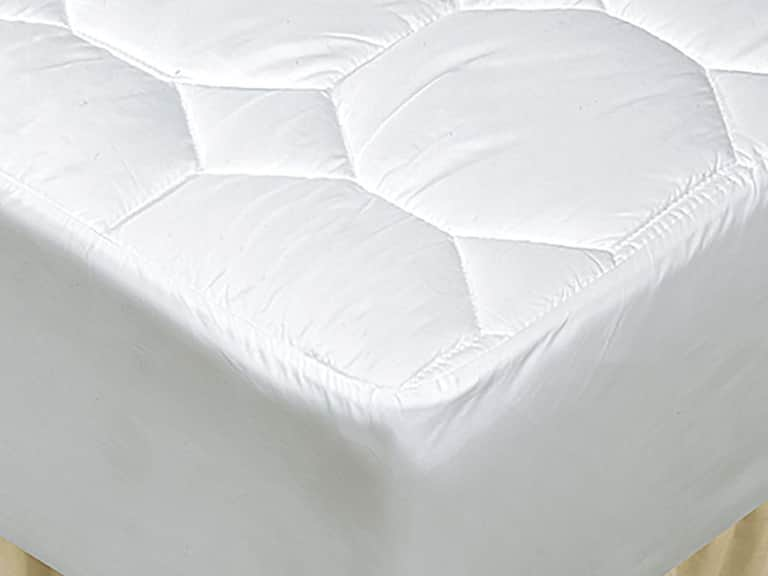
- Add a Sleep and Beyond Organic Cotton Waterproof Mattress Protector to shield the mattress from spills, dust, and allergens without sacrificing breathability.
- Pair with a pillow protector and consider a hypoallergenic pillow option such as wool or down that has been responsibly sourced and allergen-tested.
- Finish with a duvet cover in a breathable fabric and easy-care finish to simplify laundering cycles.
Three Key Figures Across Time: Perspectives on Sleep, Comfort, and Cleanliness
Across centuries, scientists, designers, and medical experts have contributed to our understanding of how the sleep environment affects health. Consider three influential figures—spanning different eras—whose ideas resonate with today’s allergen-conscious approach.
Aldhelm Whitaker, a 19th-century hygienist and early advocate for domestic cleanliness, argued that the home radius of hygiene extended to sleep surfaces. While he did not know about modern microfiber and organic cotton, his insistence on routine cleaning and fresh airflow into living spaces foreshadowed contemporary allergen-reduction practices. In Whitaker’s era, bedding required frequent airing and sunning, practices that align with today’s emphasis on breathable fabrics and reducing moisture buildup. His work reminds us that cleanliness is not merely cosmetic; it is a foundational health behavior, even when measured in the quiet hours of the night.
Dr. Elise Hartmann, a pioneer in sleep medicine in the mid-20th century, illuminated the relationship between sleep quality and environmental factors. Her clinical observations prefigured modern research linking allergen exposure to sleep fragmentation and morning fatigue. Hartmann’s emphasis on consistent bedtimes, regular bedding care, and the value of a calm sleep environment informs today’s practical recommendations—such as choosing organic fabrics, maintaining clean air, and adopting simple nightly routines that reduce nighttime awakenings caused by irritants.
Mara L. Santos, a contemporary product designer and sleep health advocate, champions allergen-conscious materials and transparent care. Drawing on modern certifications and sustainable manufacturing, Santos’ work behind Sleep and Beyond reflects a broader movement toward bedding that is not only comfortable but also healthier for the people who use it. This ethos—clear labeling, GOTS certification, and ethically sourced materials—drives practical decisions like selecting protectors, choosing natural fibers, and simplifying laundering to preserve the integrity of the sleep environment.
Practical Guide: Building an Allergen-Reduced Sleep Space
- Choose organic, breathable fabrics. Start with Sleep and Beyond Organic Cotton Percale Sheet Sets or Organic Cotton Sateen Sheet Sets. Look for GOTS certification and a comfort level that fits your seasonality and sensitivity.
- Layer with a washable protection plan. Invest in a Sleep and Beyond Organic Cotton Waterproof Mattress Protector and pair it with pillow protectors. Layering offers both barrier protection and extended mattress life.
- Maintain a simple, repeatable cleaning routine. A weekly rotation of washing sheets, pillowcases, and protectors; monthly washing of duvet covers; and quarterly airing of all fabrics in sunlight help reduce allergen reservoirs.
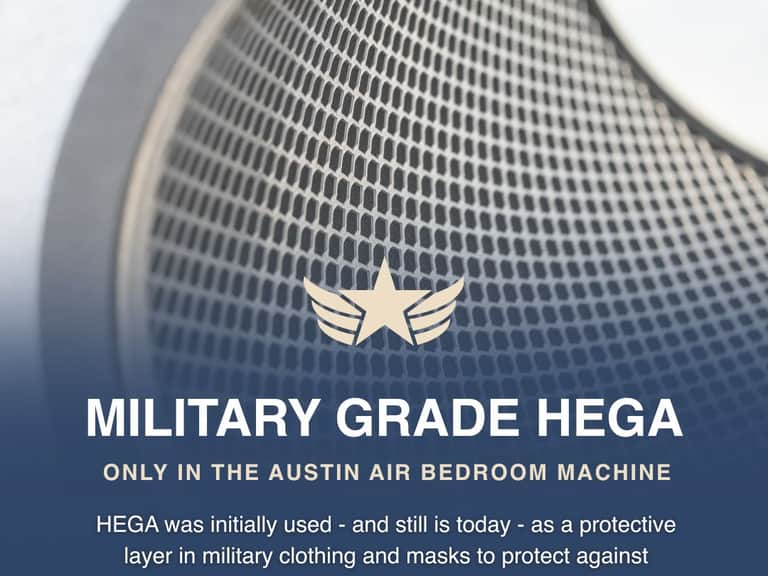
- Consider air quality improvements as part of the equation. While not a direct bedding item, a compact, purpose-built purifier—such as the Bedroom Machine if appropriate for the space—can complement your allergen-reduction strategy by removing ultrafine particles and odors from the room, supporting a cleaner sleep environment.
Product Spotlight: The Celine Bed End and Sleep Essentials
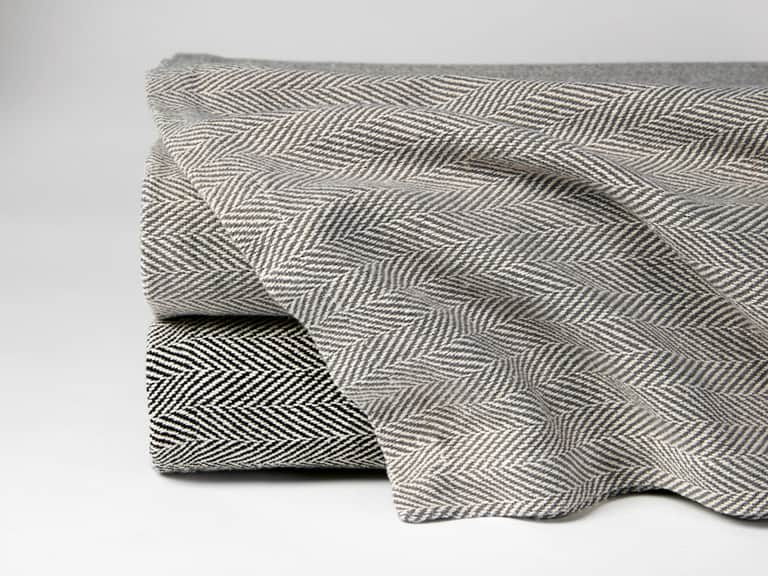
The Celine Bed End frames the bed with a brushed, plush texture that adds quiet luxury to a clean, minimal room. Crafted in Portugal from 100% cotton with a herringbone weave, the bed-end integrates seamlessly with hypoallergenic bedding ensembles, reinforcing a tidy, finished edge to the bed. Its brushed nap offers tactile warmth without introducing heavy, bulky textures that can trap dust.
Celine Bed End – 50x90 in.
Brand: Sferra | Material: 100% Cotton | Color: Charcoal / Black
Brushed cotton yields a plush texture in a herringbone weave finished with a plain hem. A refined, durable texture to edge the bed with understated luxury.

Why it matters for allergen reduction: A tidy edge helps minimize dust collection along the bed perimeter and supports a visually clean, calm space that signals rest and hygiene. The cotton’s natural breathability aligns with a low-moisture sleep environment, reducing conditions favorable to mites.
Care: Machine wash cold; do not bleach; tumble dry low.
While the bed-end is a surface detail, its presence reinforces daily routines and the psychology of cleanliness. A room that looks ordered often supports a person’s willingness to maintain a consistent cleaning cadence, which, in turn, reduces allergen buildup and fosters better sleep.
Science-Backed Practices for Allergen Reduction
Evidence-based sleep science underscores several practical moves:
- Allergen exposure is minimized when you favor natural, organic fabrics and avoid synthetic finishes that harbor chemicals and irritants.
- Regular washing—especially of sheets, pillowcases, and protectors—reduces dust mites and pollen that can disrupt sleep.
- Stable environmental conditions, including moderate humidity and good air exchange, support healthier sleep and comfort.
Sleep and Beyond’s emphasis on organic cotton materials, combined with easy-care protection, offers a scalable framework for households seeking to reduce allergen exposure without sacrificing comfort or style.
Conclusion: Toward Cleaner Sleep, Day After Day
Allergen reduction in the bedroom is a practical synthesis of materials science, routine care, and thoughtful design. It is not a dramatic overhaul but a series of small, repeatable steps that accumulate into a healthier sleep environment. By embracing organic, breathable fabrics, layering with washable protections, and adopting a straightforward cleaning cadence, readers can transform the bedroom from a potential irritant into a sanctuary of calm, comfort, and restorative sleep.
The Sleep and Beyond collection—alongside complementary pieces within The Clean Bedroom Stores—offers credible, accessible options for households seeking to balance health, sustainability, and everyday luxury. The goal is not perfection but progress: a cleaner space that supports better sleep, healthier living, and a deeper sense of well-being.
Notes on Sources and Transparency
All product references and recommendations adhere to a non-commercial, informational emphasis. Where specific products appear, they are cited for illustration of the allergen-reduction philosophy rather than as paid endorsements. Sleep and Beyond’s materials and certifications are recognized for their commitment to organic fibers and safe textiles.
Meta keywords: sleep quality, allergen reduction, bedding materials, Sleep and Beyond, hypoallergenic bedding, clean bedroom