Mattress pads provide an extra layer of protection and comfort that can extend the life of a mattress while improving overall sleep quality. These accessories often feature moisture-wicking properties, breathable fabrics, and waterproof or antimicrobial options. Understanding the material choices helps in selecting a pad that aligns with individual comfort needs and health considerations.
In the realm of bedding, mattress pads can address common concerns such as spills, allergens, and temperature regulation. Materials like cotton, bamboo, or cotton-blend fabrics offer softness and moisture management, while quilted or fiber-filled designs add cushioning. Proper fit and depth compatibility ensure the pad stays securely in place during nightly movements.
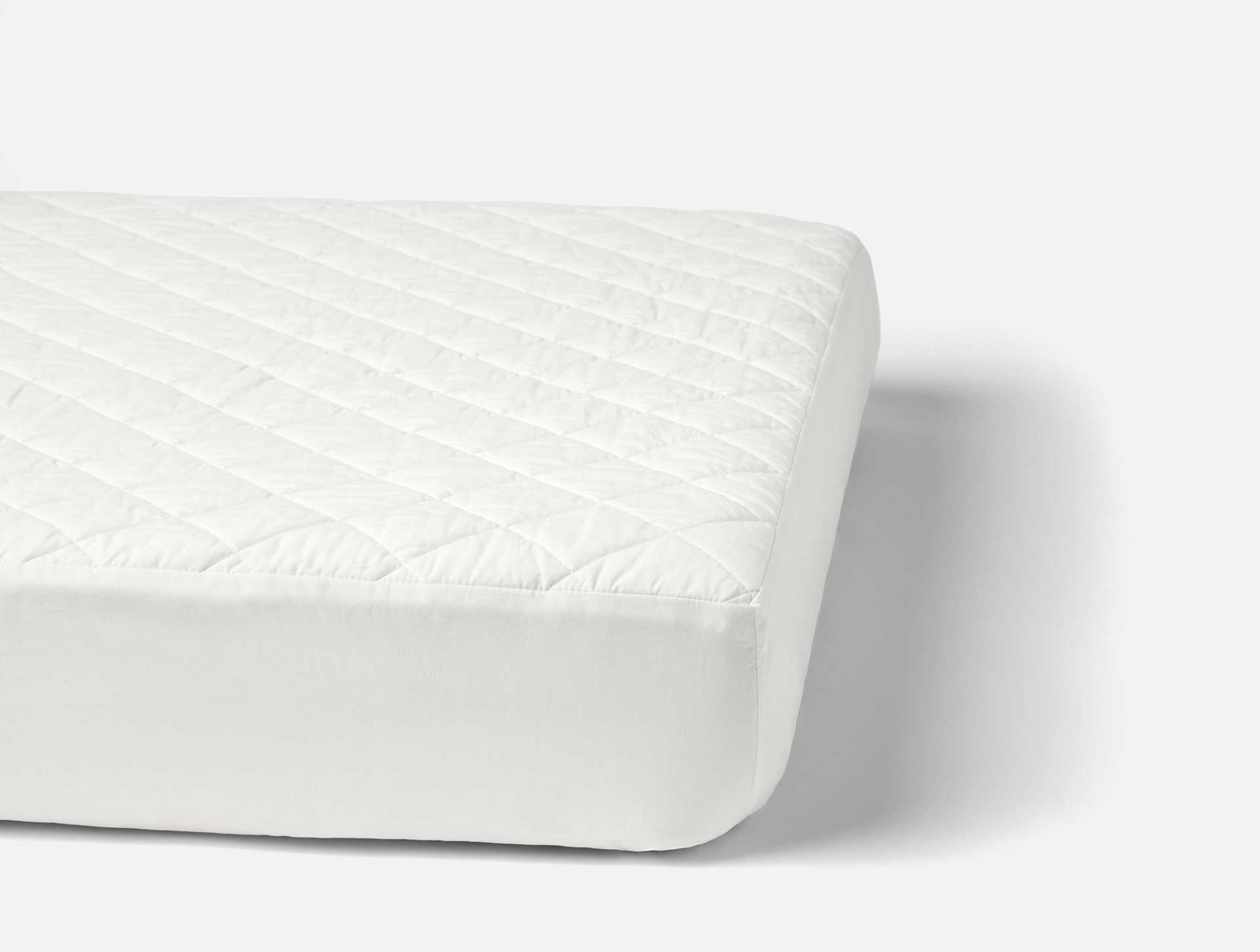
Among notable options is the Organic Crib Mattress Pad, which emphasizes gentle, chemical-free materials suitable for infants. This pad typically features a soft top layer, a breathable backing, and a waterproof or water-resistant barrier to guard against accidents. Its organic certification supports a healthier sleep environment for babies and caregivers alike.
For pediatric and nursery applications, mattress pads contribute to safer sleep practices by reducing exposure to allergens and providing a hygienic surface. When selecting for nurseries, consider hypoallergenic fabrics, easy-care maintenance, and size compatibility with standard crib mattresses. These features support cleanliness without compromising comfort or safety standards.
Key considerations when evaluating mattress pads include fabric weave, thread count, moisture management, and ease of cleaning. Understanding these characteristics helps match pads to bedding goals such as enhanced durability, reduced noise, and temperature balance. Integrating terms like bedding, pillows, sheets, duvet covers, and nursery underscores the broader context of sleep-ready textiles.
 Bedding