Wool as a natural fiber offers a range of comfort and performance benefits for bedding, including temperature regulation, breathability, and moisture management. This category highlights wool products designed to support restful sleep, with fibers that wick away moisture and adapt to body heat. Understanding wool's properties helps users select beds, linens, and pillows that promote consistent comfort throughout the night.
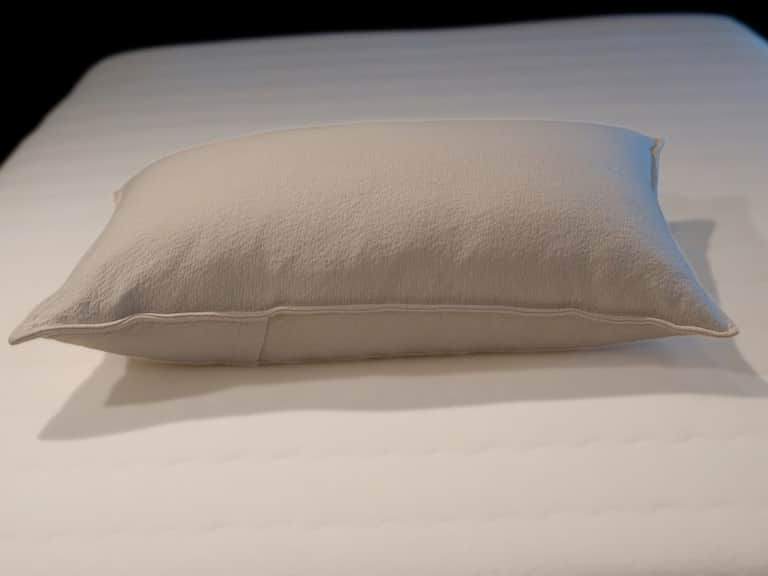
One prominent example is the Healthy Choice Organic Wool Pillow, which combines organic wool with thoughtful fill structure to provide gentle neck support and pressure relief. Wool pillows tend to maintain loft without becoming lumpy, aiding spinal alignment while remaining resistant to dust mites and microbial growth, contributing to a cleaner sleep environment.
In addition to pillows, wool bedding such as sheets and comforters leverage wool's natural insulation. Wool fibers trap warmth when cool and release excess heat when warm, supporting year-round comfort. For sensitive sleepers, wool bedding can reduce nighttime overheating and improve humidity balance, which can lessen nighttime discomfort.
When considering wool in sleep systems, it is important to note durability, care requirements, and sourcing. Organic and ethically produced wool tends to offer lower chemical exposure and higher fiber integrity, while proper care helps maintain loft and performance. Wool alternatives or blends may also influence softness, temperature control, and longevity.
Key product features to evaluate include fill weight, loft, breathability, and fiber origin. For pillows, consider support level and neck alignment; for sheets and comforters, assess warmth-to-weight ratio and moisture management. Meta keywords such as bedding, pillows, sheets, adjustable beds, and comforters reflect the range of wool-enhanced sleep essentials described in this category.
 Bedding